

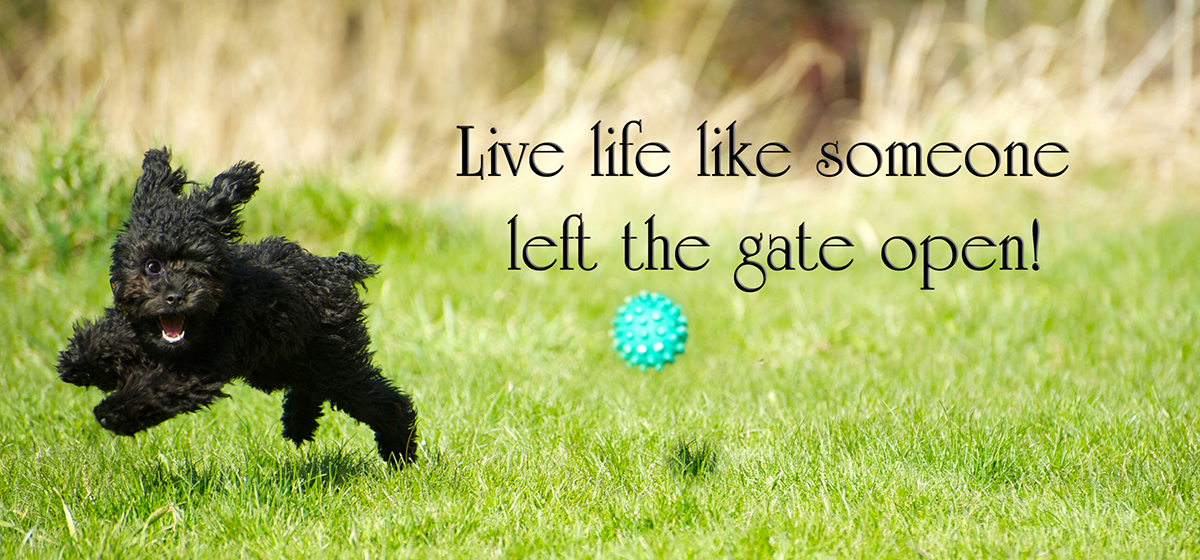
Fun… somehow, I’d lost it. I lost having it, lost seeking it. I forgot how much having fun lifts my spirit, my mood, and keeps me pleasant to be around.
Over the last decade or so, like so many, I’ve walked through health crises (Read Our Story and My Final Straw Moment), the loss of my parents, and the global COVID-19 pandemic. In the midst of the pandemic, I experienced a moment where everywhere I looked, the lives of my family members, friends, neighbors, and colleagues all felt so very heavy. The losses suffered, grief endured, burdens being carried, life’s transitions happening whether we wanted them to or not. Life was marching on and it felt difficult to carry on positively with it. It was around this time when I heard Catherine Price speak on the power of fun. Price, author of the book, The Power of Fun: How to Feel Alive Again, spoke at the San Diego Live Well Advance Partner Conference and School Summit: Creating Healthy, Safe, and Thriving Communities Together in December 2022. A main message in her talk, at least to an audience whose work focuses on improving community health, is that fun is a health intervention. Well, that got my attention.
To be clear, it’s not as if I never laughed or had fun during this time. I did. In fact, when we initially got Joe’s diagnosis in spring 2017, we asked friends to borrow funny movies. Anything that would lift our spirits and provide levity to counter any slide into despair. We laughed a lot watching those movies. I’ll forever be a fan of Jenny McCarthy. She had me cracking up so many times. Those comedies gave our anxious minds a break and helped us through the early difficult days of Joe’s cancer journey.
As time passed though and through the pandemic years, my work took much of my time. When the COVID-19 pandemic hit in 2020, I was working for the public health department in San Diego’s Health and Human Services Agency managing maternal and child health programs. Things changed overnight as the Agency shifted to address the new virus and its devastating impact. The Agency kept shifting and changing as new information and services emerged. The changes never really stopped. Many lives were saved, I believe, by this very important work. For those of us working in public health, we often feel good about the work we do in the name of service. Yet, over time, burnout became prevalent in our workforce. I was no exception. Suffice it to say, this was a very non-fun period of my life. I enjoyed my colleagues and led a talented team, but the volume of work was crushing, never ending, and with never enough resources. I believe this is true for many of those working in middle management and for those working in public health during an epidemic or pandemic. Even though much has been written about burnout, boundary setting, and self-care, I hadn’t heard about fun as a way to combat how I was feeling until I heard Catherine Price speak.
True Fun
According to Price, true fun makes us energized, present, relaxed, happy, and healthier, which is why she calls fun a health intervention. We reap these benefits when we have true fun – that is when we experience playfulness, connection, and flow at the same time.
Playfulness: Having a lighthearted attitude about an activity, and not caring too much about the outcome.
Connection: A special shared experience with someone.
Flow: So engaged and focused in an activity, you lose track of time.
Here are signs of True Fun.
- Laughter
- A sense of release/freedom/letting go
- Feeling you’re having a special shared experience
- Losing track of time
- Feeling free from self-judgment and self-consciousness
- Feeling like you’ve temporarily “stepped out” of a normal life
- Being fully absorbed and present
- Not caring too much about the outcome
- A feeling of childlike excitement and joy
- A positive boost in energy feeling totally yourself
I haven’t tried all of Price’s suggestions, however, I have adopted two practices. First, finding out who and what my fun magnets are and second, noticing and naming delightful things in my life.
Fun Magnets
Fun magnets are specific activities, people, and settings that often attract true fun for you. To find your fun magnets,
- Take a hard look at how you spend your time, with whom, and where.
- Notice your feelings when engaged with those activities, people, and settings.
- Identify those that produce feelings of true fun for you.
- Can you reduce or remove those that are not fun for you?
- How can you spend more time doing the things that create the feelings of true fun in you from the list above?
Note: This is an oversimplification of Price’s points. Be sure to read the book if you want more guidance on finding your fun magnets.
Delight
Another idea that helps you recognize fun or light-hearted moments in your life is to notice and verbalize when you are having fun. Naming it helps you realize that you may be having more fun than you think. So now, with some of my fun magnets (you know who you are!) we do this - we raise a finger in the air “and announce, out loud and enthusiastically, “Delight!”" According to Price, “The out loud part is important, even if you are alone.” My friends and I even use the finger pointing emoji 👆 in texts when reminiscing about our delightful moments together. We also tend to laugh (or at least smile) when we do this. We all know laughter is the best medicine and can do with more laughter and smiles in our lives.
Fun and Resilience – What’s the Connection?
In her book, Price explains how having fun builds resilience. What?? Yup, according to Barbara Fredrickson’s broaden-and-build theory, “positive emotional states, even if fleeting, aren’t just signs of resilience, well-being, and health; they actually build resilience and health, and help people weather future periods of stress.” The theory explains further that positive emotions – like those associated with having fun, can ultimately lead to new resources (physical, intellectual, social, and psychological) that you can use to deal with a future challenge. These resources are built from new ideas, activities, and connections we’ve made from our positive emotional states - i.e., while we were having fun. Price quotes Fredrickson as saying, “people should cultivate positive emotions in their own lives and in the lives of those around them not just because doing so makes them feel good in the moment, but also because doing so transforms people for the better and sets them on paths towards flourishing and healthy longevity.” Flourishing and healthy longevity? Those sound like good things to look forward to.
Anticipatory Savoring
Additionally, when we plan future fun events for ourselves, we benefit from “anticipatory savoring”, that phase when you’re looking forward to actually doing the things you’ve planned. According to Price, anticipatory savoring “is pleasurable, boosts resilience, and lowers stress.”
So, I ask you, when is the last time you had true fun? If you can’t remember, perhaps it’s time to make some plans that are fun for you. Don’t think of it as having to do or plan one more thing. Think of it as a gift to yourself. The valuable gift of using your time to tend to your life.
Be well,Christine
P.S. I’d love to hear about the fun things you’ve done recently or are planning to do soon. Be sure to share in the comments.



This was such a beautiful and meaningful read, it made me stop and reflect on my own life. Thank you for sharing your story and this reminder. As someone in healthcare, this really resonated, especially the idea of fun as a health intervention!
Hi Courtney, so glad to hear how the blog impacted you. We don’t often link fun with health, but it truly can help relieve stress. I wish you many moments of delight!👆