

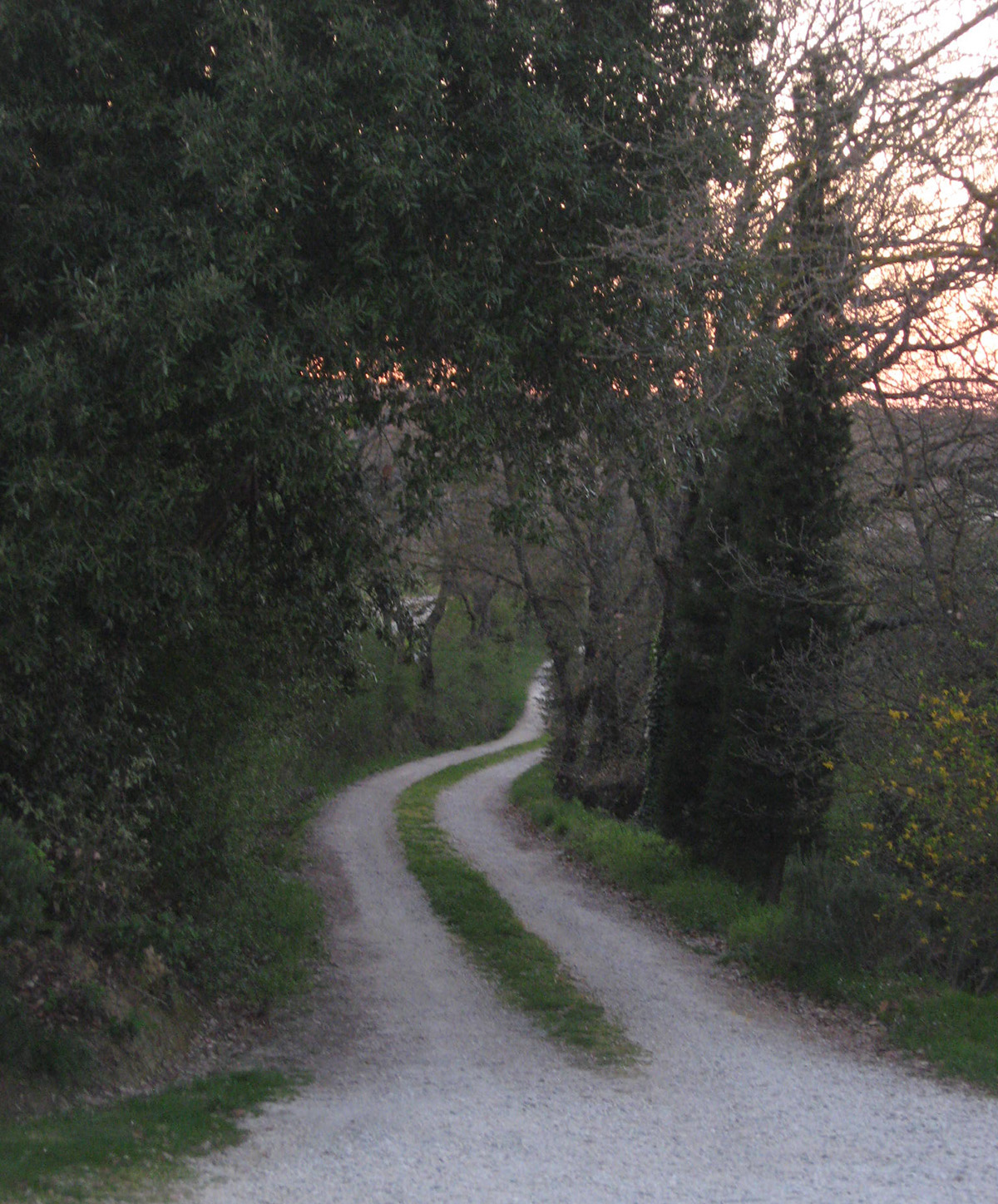
I remember a woman named Mary who was exceedingly kind. Mary always had a smile on her face and a gentle demeanor. What really stuck me about Mary was when her husband was diagnosed with cancer and his health began to decline, Mary’s demeanor and treatment towards others never changed, at least outwardly. She remained kind, gentle, and caring towards others, even when her husband eventually passed away. I was in awe of how she could remain calm when clearly her private world was shattering. I admired Mary and wondered if I would behave the same way if what was happening to Mary happened to me. I had my doubts that I would. Little did I know that years later I would walking a similar journey as Mary. What Mary had, and what I wasn’t sure I did, was resilience.
Resilience Defined
Mayo Clinic Staff describe resilience as being able to adapt to life’s misfortunes and setbacks, while the American Psychological Association (APA) Dictionary of Psychology defines it as “the process and outcome of successfully adapting to difficult or challenging life experiences, especially through mental, emotional, and behavioral flexibility, and adjustment to external and internal demands” and lists the following as major factors in our ability to adapt to challenges.
- The ways in which individuals view and engage with the world.
- The availability and quality of social resources.
- Specific coping strategies.
APA’s more descriptive definition gives us clues as to what we must do to become resilient ourselves. Further, the good news is that their research shows that we can grow our resilient skills through practice and resource development. Of course, adapting and making adjustments can be difficult. We may not know exactly what mental, emotional, and behavioral shifts to make or where to turn for resources. And changing the way we cope, think, and behave is difficult. Even making small changes can be hard. We’re creatures of habit and changing our autopilot responses takes time and intention.
Let me back up a bit and share how I became interested in the topic of resilience in the first place.
- My husband received a serious cancer diagnosis in 2017 which spread in 2018. His prognosis was not good. (Read Our Story here.) And yet, here in 2025, he’s still with us. He’s off treatment and living a full life. Many describe him as inspiring.
- I am interested in health and have made a career in the field of public health studying health and health behavior.
- Through both my personal and professional experiences, I’ve met others who’ve experienced sad and traumatic events who turned their grief into determination to help themselves and improve their situations as best they could, as well as to support others walking through similar experiences.
Having spent over 25 years in the field of public health, I am big on prevention and believe in its power. If you can prevent illness from happening in the first place, it’ll save you so much - your health, your energy, your time, and money. When you’re healthy, you’re free to spend those things however you’d like, with the people you love, doing things you enjoy. Yet, walking through the cancer journey reminds you clearly and quickly that there are things that happen in life that we have no control of no matter how much we may try to prevent them from happening.
Resilience – What I’ve Learned
When Joe got hurt and was initially diagnosed, of course, we engaged in the necessary treatments, tests, appointments and day-to-day activities as best we could. Over the years of Joe’s treatment and with the insight that comes from hindsight, I realized that Joe really has a resilient mindset. From the beginning, he was determined to do what he needed to do to beat this and made his treatment and health a priority. In fact, he stated that out loud to me when we learned the cancer spread to his lungs. Some examples of what this looks like in our daily lives include, when it came to doctor appointments, he took the next available appointment, cancelling or rescheduling anything that conflicted with the appointment. If he could make changes based on what he was told at his appointments, he made them. He shifted his exercise routine so it’s the first thing he does in the morning. Rather than hoping he’d get a workout in at the end of the day, now, no matter what else happens in the day, he’s had his workout. He goes to bed early. He’s mostly eliminated sugar from his diet, only having the occasional sweet, and generally eats a healthy and varied diet. By being clear on his priority (his health), he’s changed how he makes decisions and how he engages with the world (getting a work out in first thing in the morning).
Joe works out at our local YMCA. He’s not the only one who is there when it opens. In fact, there are so many others who are part of the 6 AM Club, as we call this group. And they tend to chat while they wait for the Y to open. They share stories of things going on in their lives. Over time, Joe has made friends at the Y, and not only with those there to exercise. He’s made friends with people who work there as well. These friendships and relationships have grown through the years and give him daily exposure to social connections.
Joe’s lifestyle is a big factor in his ability to successfully cope with stress caused not only by the cancer diagnosis and its spread, but also with the stress of being disabled. He rarely lets distractions get in the way of his routines. When events happen that force him to make shifts in his exercise or sleep schedule for example, he picks right up as soon as he’s able. He clearly has discipline to stick to routines that work for him, but he also has an attitude of not giving up. He tends to tackle problems head on, gathering information and resources, making a plan as how best to proceed. It’s in his nature to be like this. In fact, over the 30 + years I’ve known Joe, I’ve often heard him quote the lyric, "I pick myself up and get back in the race" from Frank Sinatra’s song, That’s Life. If you do a Google search for that lyric, you’ll get the following AI Overview from Musixmatch.
“This line is part of a larger verse that reflects on the ups and downs of life and the importance of resilience. The song's message is one of perseverance and determination in the face of adversity, emphasizing the need to keep moving forward despite setbacks.”So yeah, Joe definitely has a resilient mindset.
And back to Mary whom I mentioned earlier. Mary had a large and supportive family, many friends she’d made from various community groups with which she was involved, and was a woman of deep faith. Those are all good things; things that helped Mary be resilient while walking through her husband’s health challenges. Perhaps she also had good coping strategies. But again, the good news is that we can take action to strengthen our own resilience to help us when better deal with the downtimes of life. Check out these tips on how to improve your resilience from the Mayo Clinic and these coping strategies from the Cleveland Clinic.
Resilience Self-Assessments
If you’re new to this topic, check out the self-assessment below to gauge your current level of resilience.
I wish you well on your resilience skill building journey. I’d love to hear how it’s going for you. Please leave a reply below in the Comment section.
Be well,Christine
Thanks Christine! I took the resilience assessment and was pleased to find out I was “flourishing. ”
😊
So glad to hear this, Lynda. Way to go!
Thanks to your support and this blog, it appears I am Flourishing!
Glad to hear you are flourishing, Heidi. Way to go!